Aztec Tents Team Completes Spring Training
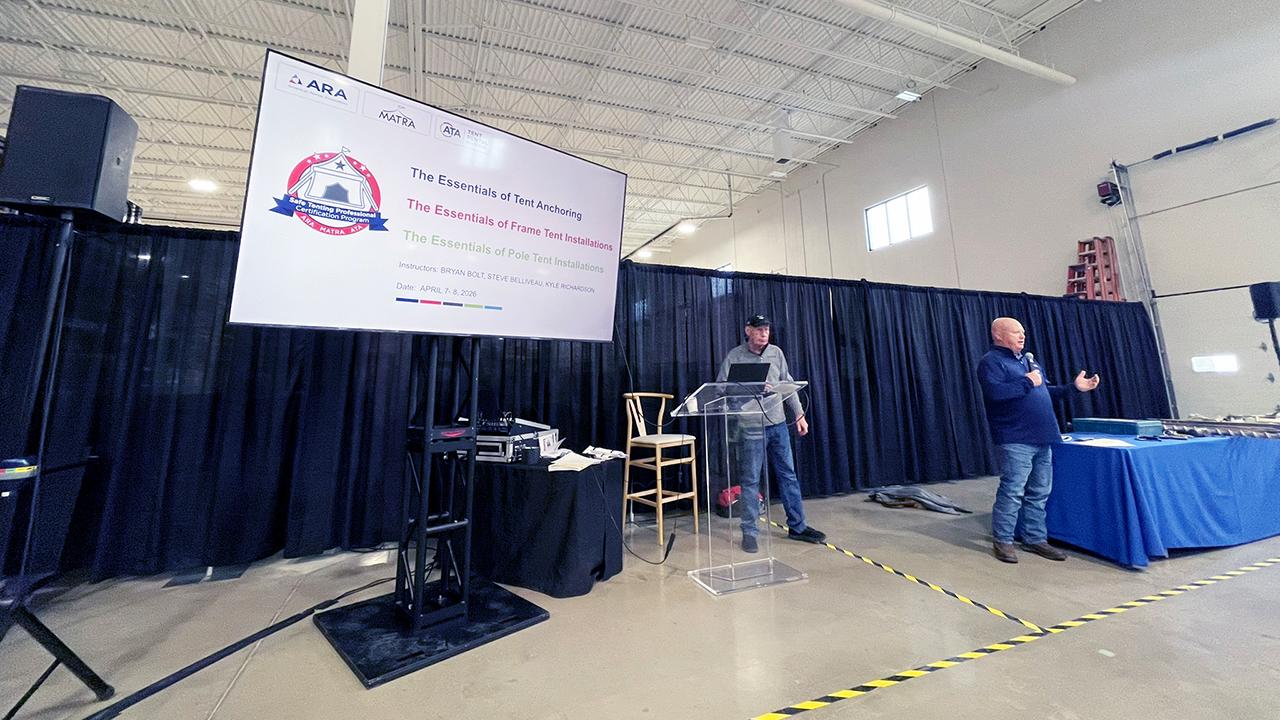
The Aztec Tents team recently completed formal certification training in tent safety standards and the structural fundamentals of pole tents, structure tents, and frame tents. The certification covers ground that matters operationally: how these structures behave under load, what proper installation looks like across different site conditions, and where failures most commonly originate.
Why Formal Training Matters in the Tent Industry
Commercial tents are engineered structures subject to real loads: wind, rain, accumulated snow, and the weight of equipment and occupants. How a tent handles those loads depends on how well it was selected, installed, and anchored for the conditions it faces. Formal certification builds a consistent, documented baseline of knowledge across a team, grounded in established industry standards rather than accumulated habit or informal instruction.
For a manufacturer, certified team members can engage with customers at a technical level, speak accurately about product performance, and provide guidance that holds up in the field.
What the Training Covered
The certification curriculum addressed tent safety principles alongside the structural and operational fundamentals of the three primary tent categories used in the commercial rental market.
Pole Tents
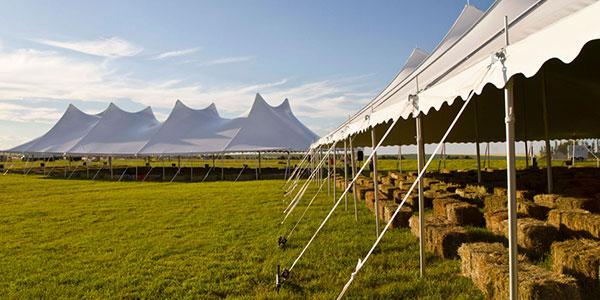
Pole tents use center poles and perimeter stakes to place the fabric canopy under tension. The training addressed how load distributes across that tensioned system, the role of staking depth and ground conditions in maintaining structural integrity, and the relationship between canopy tension and performance under wind. Anchoring is not a secondary consideration in pole tent installations. It is the mechanism by which the entire structure holds. Training treated it accordingly.
Structure Tents
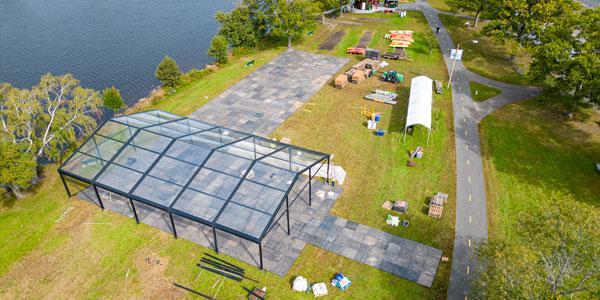
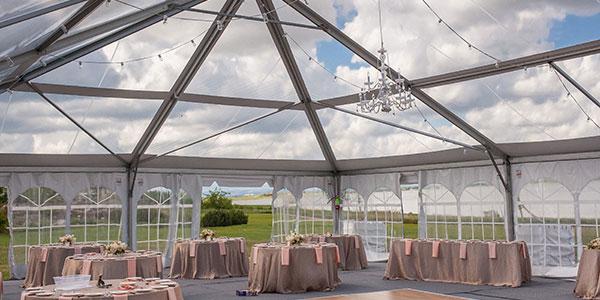
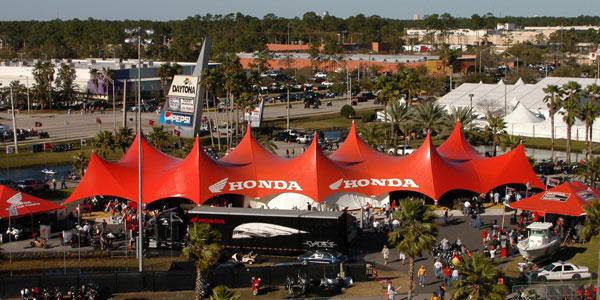
Structure tents use a self-supporting aluminum framework, which removes center poles from the interior and allows for larger, uninterrupted floor plans. They are widely used for large events, hard surface installations, and situations where ground staking is limited or unavailable. The curriculum covered modular frame assembly sequencing, load distribution across connected frame sections, anchoring requirements across varied surface types, and ballasting protocols when staking is not an option. Structure tents scale in ways that introduce compounding complexity, and the training addressed that directly.
Frame Tents
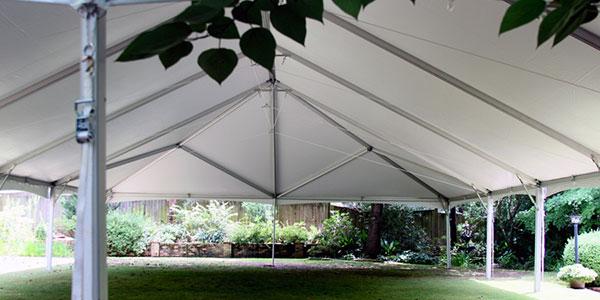
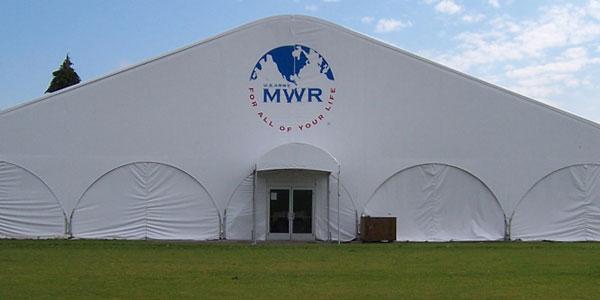
Frame tents use a fully self-supporting internal frame with fabric stretched over the top. They share the center-pole-free interior of structure tents but are designed for smaller footprints and shorter installation timelines. Training covered proper frame assembly, fabric tensioning, and the handling considerations that apply when these systems move through high-turnover rental cycles. Wear in frame tent systems often originates at connection points and fabric attachment hardware, and the certification addressed inspection and early intervention at those locations.
Across all three tent types, the training returned consistently to site assessment, anchoring, load awareness, and inspection as the practices that determine safe outcomes.
What This Means for Customers and Rental Professionals
Customers working with Aztec Tents gain access to a team that can answer technical questions accurately and provide product guidance grounded in certified knowledge rather than general familiarity. Rental professionals gain a manufacturing partner whose team understands what happens on the installation side, not just in production. The certification also improves the quality of the technical resources Aztec Tents produces, including product documentation, maintenance guides, and installation references.
An Ongoing Commitment
This certification is one step in a continuing investment in professional development. Tent safety standards, structural engineering practices, and material technologies continue to develop, and staying current with those developments is part of operating responsibly as a manufacturer.