
Frame Tents: Traditonal Frame
If you are looking for a traditional-design frame tent, with modern-day amenities, look no further. Our Traditional Frame Tent is constructed with a structural aluminum frame and durable 16 oz. blockout white vinyl tent-top covering. Stainless steel perimeter buckles are sewn through three layers of heavy duty reinforcing and feature a replaceable wall rope line to allow for fixing in the field. The fabric sections are available in expandable and one-piece designs allowing you versatility when you need it. The two primary methods for connecting expandable tent roof sections together include clasp connection and lace connection. The Clasp connection is typical on 20' wide and smaller tent tops, and the lace connection is typical on 30' wide and larger tent tops. Either connection method can be used on any size.
WHY STANDARD FRAME?
- A real classic look with scalloped valance
- Low cost tenting system
- Interchangeable components
ENGINEERING
- IBC 2013, ASCE 7-10 Exposure “C” 40MPH - 105MPH depending on size
SPECIFICATIONS:
- Widths: 10’, 15’, 20’, 30' and 40’
- Lengths: Expandable in 10’, 15' and 20’
- Configuration: Hip style frame configuration
- Fabric: 16oz PVC Laminated blockout white standard membrane. Transparent clear and other colors are available
- Framework: 6061-T6 Anodized Aluminum frame system with powder coated steel fittings
- Flame Retardancy: NFPA 701, CA State Fire Marshal Title 19, CAN ULC S109-03
- Common Accessories: Sidewalls, doors, double valance, jacks, and repair kits
IT'S ALL IN THE DETAILS
Wide Interior Spaces:
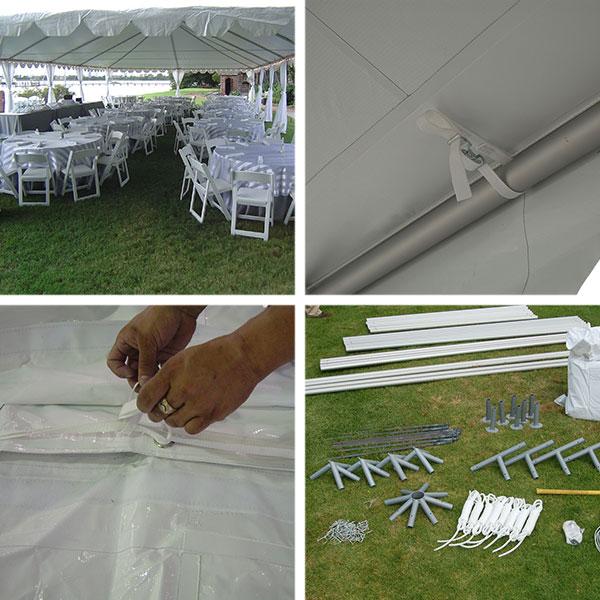
The standard frame tent provides an unobstructed interior space with the classic scalloped valance
Stainless Steel Buckles:
The tent top connects to the frame with a series of evenly spaced perimeter buckles
Expandable Connections:
Lace system combined with weather flap to connect expandable sections
Versatile Frame Design:
Many parts are interchangeable between sizes
FAQs
A Traditional Frame Tent uses an aluminum frame to support the structure, eliminating the need for center poles and creating an open interior for seating, staging, dance floors, and other event elements. Pole tents use center and perimeter poles and typically require staking beyond the tent's footprint.
Traditional Frame Tents are a versatile choice for weddings, festivals, short-term events, and rental inventories where efficient installation and an open interior are priorities. For larger widths, longer installation periods, or more demanding engineering requirements, a Jumbotrac® system may be a better fit.
Yes. Traditional Frame Tents can often be installed on asphalt, concrete, and other hard surfaces when an appropriate anchoring or ballast system is used. The correct solution depends on the site conditions, tent configuration, engineering, and local requirements.
Yes. Traditional Frame Tents can be secured with engineered ballast systems when staking is not possible, such as on concrete or asphalt. Ballast requirements vary based on the tent size, configuration, wind loads, site conditions, and local regulations. Always follow the manufacturer's guidelines and applicable engineering.
Ballasted installations generally require substantially more weight than staked installations. Additional bracing or project-specific engineering may also be required.
If you plan to use ballast regularly, our team can help identify an appropriate configuration for your tent size and typical jobsite conditions.
Traditional Frame Tents are available in widths up to 40' and can be expanded in length with additional sections. Our team can help identify the most efficient configuration for your rental inventory or event requirements.
Yes. Traditional Frame Tents have long been a staple of successful rental fleets because they offer broad event versatility, an attractive appearance, and efficient installation. Their modular design allows rental companies to serve many event types with the same core tent system.
Pricing varies based on size and configuration. As a general guide, pricing starts at $2,128 USD for a 10' × 10' tent and ranges up to $25,693 USD for a 40’ x 80’ tent. Contact our team for a customized quote.
Frame Tents
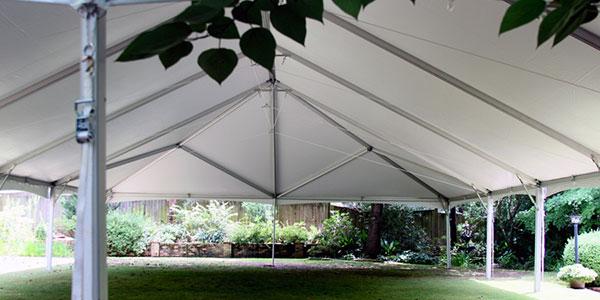
Frame Tents feature a skeleton of aluminum framework and steel connectors to support the tent top. Although this style of tent is "free-standing" by design, it still must be anchored to resist wind forces. All styles of frame tents have no poles that come to the ground in the interior space of the tent.
Frame Tents
Pole Tents
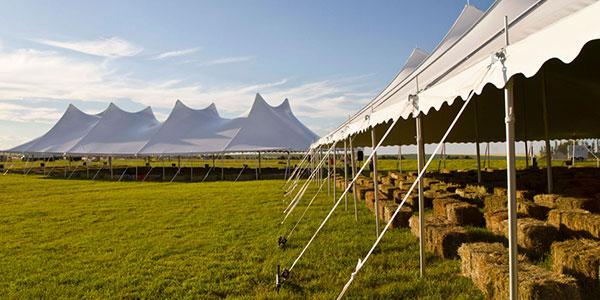
Pole tents rely on tension in the membrane to hold the shape of the tent system. These tents are supported by single or multiple centerpoles in the middle of the tent area and a series of sidepoles around the perimeter of the tent area. The tent is tensioned toward the anchoring locations commonly with a rope or ratchet strap.
Pole Tents
Structure Fabric
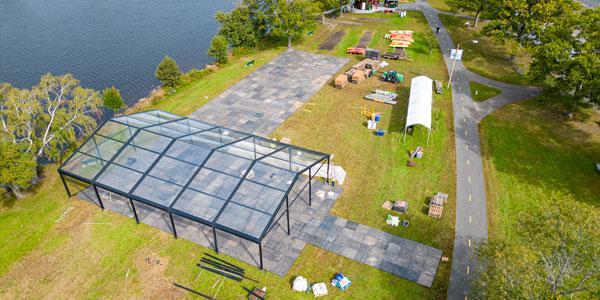
Whether you need replacement roof, gable, or walls, our team is proud to build the best panels in the industry. Our clearspan structure tops and walls are constructed to match Original Equipment Manufacturers (OEM) specifications for your European, A-frame and arcum styled structures. Designed, cut and assembled to fit perfectly, each and every time.
Structure Fabric
Compatible Plus
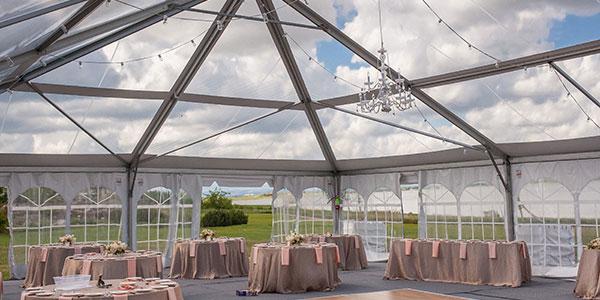
'Compatible-Plus®' products are aesthetically and structurally indistinguishable from their competitive counterparts. However, the new series have been re-engineered, incorporating proprietary improvements to their structural quality and integrity. These options allow the tent industry customers to purchase from the vendor they deem best.
Compatible Plus
Accessories
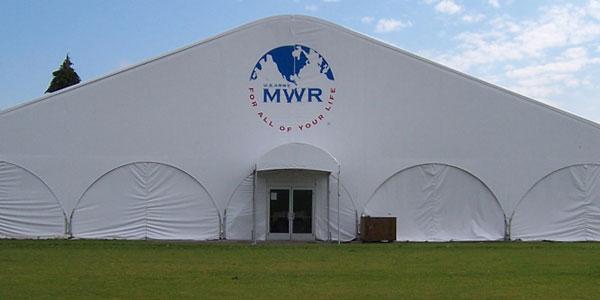
Accessories include liners, legs skirts, doors, raingutters, and materials for repair & replacement parts
Accessories
Specialty Tents
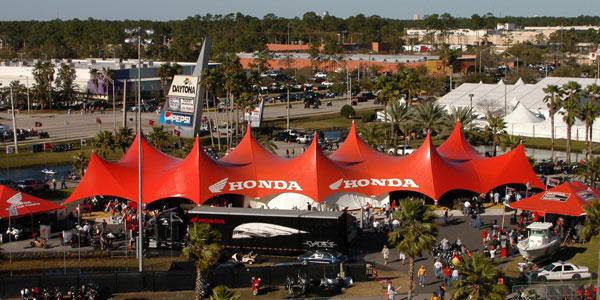
These products are geared for specific applications and are often seen as non-mainstream products. Generally these products are built on an as needed basis and are generally not "on the shelf".