How Proper Tent Vinyl Maintenance and Storage Maximize Rental Business ROI
In the event rental industry, your tent inventory is one of your most valuable business assets. Every tent top, sidewall, and clear vinyl panel represents a significant investment that should generate revenue for years to come. But how long those assets last depends on more than just the quality of the material they are made from. It also depends on how well they're maintained, cleaned, and stored between events.
Mold, mildew, yellowing, cracking, and improper storage can quickly turn profitable inventory into costly replacements. Even worse, much of this damage happens when equipment is sitting idle in the warehouse.
For rental operators looking to protect their margins, reduce unnecessary replacement costs, and get the most out of every dollar invested in inventory, a consistent vinyl maintenance program is essential.
The good news? A few simple procedures can make a significant difference in extending the life of your tent vinyl and keeping your inventory event-ready.
Here's how to establish a maintenance and storage process that protects your investment and maximizes your return.
Inspection & Repair: Catch Small Problems Before They Become Expensive
The best time to identify damage is before your tent vinyl goes back into storage. Small tears, worn webbing, damaged hardware, and failing seams can become much bigger problems if they're overlooked.
Establishing a consistent inspection process helps prevent unexpected equipment failures, reduces costly repairs, and ensures your inventory is ready for the next rental.
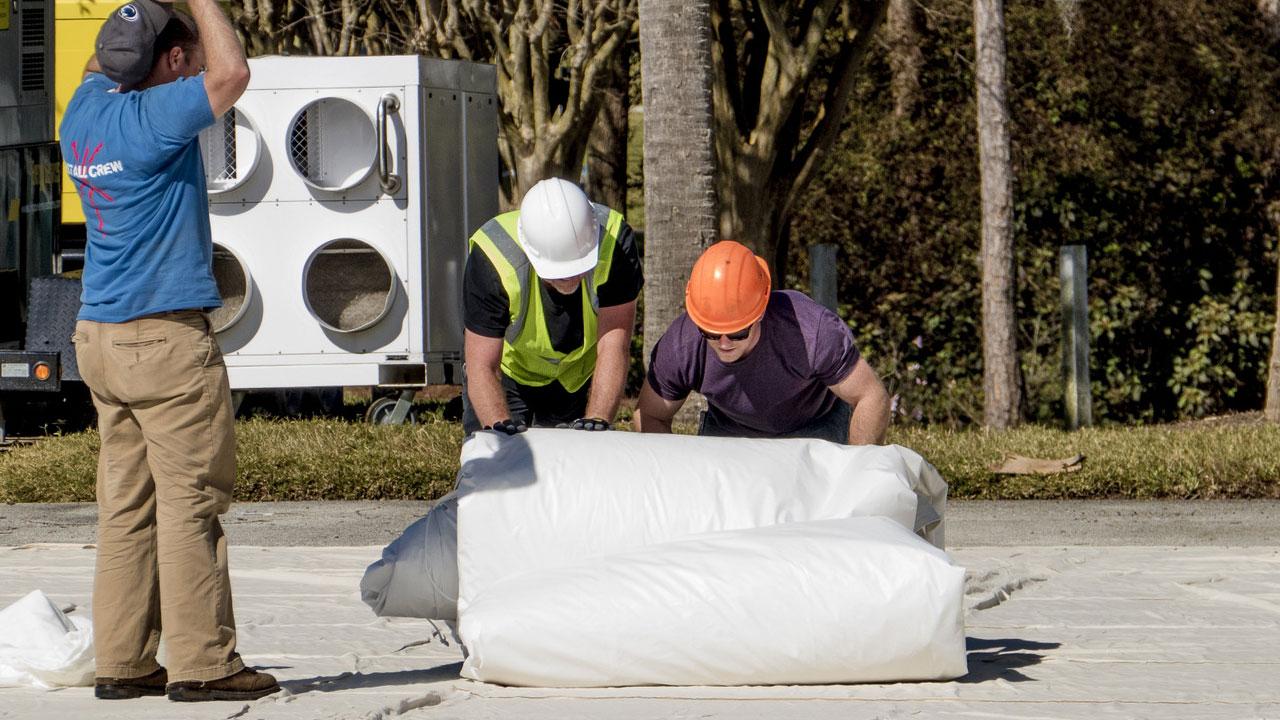
• Create a Dedicated Inspection Area: Lay clean drop cloths across your warehouse floor to provide a clean surface for inspecting each vinyl panel before cleaning.
• Identify Pinholes and Abrasions: Use a hoisting system with a strong light source positioned behind the vinyl. This makes it easier to identify small holes, abrasions, and other imperfections. Mark areas requiring repair with a grease pencil.
• Inspect Hardware and Webbing: Check all visible webbing, buckles, O-rings, and D-rings for wear, damage, or deterioration.
• Examine Keder Edges: Look for signs of wear or damage that could compromise the fit and performance of your tent system.
• Check Welded Seams: Inspect all welded seams for separation or delamination. Addressing these issues early can prevent more extensive damage down the road.
The ROI Advantage: Routine inspections help extend equipment life, minimize emergency repairs, and prevent damaged inventory from making its way onto a job site.
Cleaning: Protect the Appearance and Performance of Your Vinyl
Your tent's appearance is a direct reflection of your rental business. Dirty, stained, or discolored vinyl can negatively affect the presentation of an event and the overall customer experience.
Regular cleaning does more than improve appearance. It also helps prevent contaminants from deteriorating the material during storage.
• Use the Right Cleaning Products: Clean vinyl using a commercial tent vinyl cleaner and thoroughly rinse away any remaining cleaning solution.
• Treat Stubborn Stains Properly: Different stains require different cleaning approaches. Use appropriate targeted cleaning products for specific contaminants.
Leaf, rust, or mineral stains: Use a targeted cleaner such as CLR.
Tree sap, grease, or tar: Use a mild citrus-based solvent.
Surface mildew: Use an appropriate calcium hypochlorite solution or dedicated enzyme-based cleaner, following the manufacturer's instructions.
Aluminum frame rub or pole stains: Apply liquid silver polish where appropriate.
Important: Never use petroleum-based solvents or highly concentrated chlorine bleach. These products can damage the protective UV coating on commercial PVC vinyl, contributing to brittleness, yellowing, and premature material deterioration.
The ROI Advantage: Proper cleaning preserves the appearance of your inventory, helps prevent premature deterioration, and allows you to maintain a professional presentation for every event.
Drying: The Most Important Step Before Storage
If there's one step rental operators should never overlook, it's drying.
Putting away wet or even slightly damp vinyl creates the perfect environment for mold and mildew. A panel that looks clean when it goes into storage can come out several months later with permanent discoloration and damage.
• Allow Panels to Air Dry: Hang vinyl panels in a designated drying area. Use fans to improve airflow and speed up the drying process.
• Verify Complete Dryness: Never roll, fold, or bag vinyl until it is completely dry.
• Check Problem Areas: Pay particular attention to seams, webbing reinforcements, and other areas where moisture can become trapped. Moisture meters can help verify dryness in difficult-to-inspect areas.
The ROI Advantage: Taking the extra time to dry vinyl properly can prevent expensive mold remediation, permanent staining, and premature inventory replacement.
Storage: Protect Your Inventory When It's Not Making You Money
Proper storage is just as important as proper cleaning. In fact, some of the most expensive vinyl damage happens during the off-season when equipment is sitting untouched in a warehouse.
A well-designed storage process protects your inventory, improves warehouse organization, and helps your crew work more efficiently.
1. Avoid the "Incubator" Effect: Never Store Damp Vinyl
One of the biggest mistakes a rental operation can make is bagging tent tops or sidewalls before they're completely dry.
When even a small amount of residual moisture gets trapped inside a tightly packed storage bag, the combination of darkness, warmth, and humidity creates an ideal environment for mold and mildew growth.
If mildew penetrates beyond the surface PVC and reaches the internal polyester scrim, it can cause permanent ghosting or pink discoloration that may be impossible to remove.
The result? A valuable, revenue-generating asset can become unusable simply because it wasn't dried properly before storage.
• The Fix: Establish a strict dry-before-storage policy. Make complete dryness a required step in your warehouse procedure, not an optional precaution.
• Train Your Crew: Make sure every employee understands the risks of storing damp vinyl and knows how to inspect panels before bagging them.
The ROI Advantage: Preventing moisture damage is one of the simplest ways to avoid unnecessary replacement costs and protect the value of your inventory.
2. Choose the Right Storage Bags
Not all storage bags are created equal. The material you use can have a significant impact on how well your vinyl holds up over time.
• Avoid Non-Breathable Plastic: Sealed plastic wrap and standard trash bags can trap moisture and contribute to condensation during temperature fluctuations. Avoid these materials for long-term and winter storage.
• Invest in Quality Storage Bags: Use heavy-duty, breathable canvas or industrial vinyl storage bags designed for commercial tent applications. Quality bags help protect against dust and pests while allowing some airflow.
The ROI Advantage: Investing in appropriate storage materials helps protect more expensive tent inventory and reduces the likelihood of discovering damaged vinyl when the busy season returns.
3. Consider Alternative Commercial Storage Systems
As rental operations grow, traditional storage bags aren't always the most efficient solution, especially for oversized and heavy tent tops.
Many larger operations are exploring alternative storage methods that improve material protection while reducing the time and labor required to move inventory.
Some options include:
• Heavy-Duty Plastic Storage Totes and Bins: Ventilated plastic crates or drums provide an organized storage solution that can help protect equipment from forklift damage, rodents, and other warehouse hazards. Their stackable design also makes them useful for pallet rack systems.
• Open Pallet Racking with Drop Cloth Coverings: Instead of tightly packing tent tops into bags, loosely wrap folded panels on clean pallets using breathable drop cloths. Keeping inventory elevated off the warehouse floor while allowing airflow can help improve storage conditions.
The ROI Advantage: The right storage system can improve warehouse organization, reduce unnecessary handling, and help your team move inventory more efficiently.
Ultimately, the goal is to find a storage solution that protects your vinyl while supporting the day-to-day demands of your rental operation. Breathability and moisture control should always remain priorities.
Clear Vinyl Storage & Protection: Don't Overlook Your Most Delicate Inventory
Clear vinyl windows, sidewalls, and tops require additional attention. Unlike standard opaque tent vinyl, clear panels are particularly vulnerable to surface damage, chemical adhesion, creasing, and temperature fluctuations.
Because replacement costs can add up quickly, taking extra precautions during storage is well worth the effort.
1. Interleaving Is Mandatory
Never allow clear vinyl panels to sit directly against one another during long-term storage.
When compressed together inside a storage bag, plasticizers can migrate between surfaces, potentially causing the panels to stick or chemically bond. Separating them later can result in stretching, cloudiness, or even tears.
• The Fix: Place a protective layer between every fold using acid-free tissue paper, clean unprinted butcher paper, or thin, soft cotton sheets.
• What to Avoid: Standard newsprint can transfer ink onto clear vinyl, while inexpensive plastic sheeting can contribute to static buildup and trap moisture.
The ROI Advantage: Proper interleaving helps preserve the clarity and appearance of expensive clear vinyl panels, reducing the risk of costly replacements.
2. Rolling vs. Folding
When it comes to clear vinyl, how you store it matters.
Folding creates sharp crease lines that can become permanent. Over time, these creases may lead to brittleness, cracking in cold weather, and unwanted cloudiness.
• Roll Whenever Possible: Store clear vinyl windows and sidewalls in rolls rather than tightly folded bundles.
• Use a Protective Core: Roll the vinyl around a clean PVC pipe or heavy-duty cardboard shipping tube wrapped in protective paper. This helps maintain the roll's shape and prevents it from collapsing or developing pressure creases under its own weight.
The ROI Advantage: Proper rolling helps preserve the appearance, flexibility, and usability of clear vinyl, protecting an investment that can be expensive to replace.
3. Control Storage Temperatures: Avoid the "Glass" Effect
Clear vinyl is especially sensitive to temperature changes. Improper storage conditions can affect its flexibility, durability, and overall appearance.
• In the Cold: Clear vinyl loses elasticity and becomes increasingly brittle. Handling, folding, or tightly packing it in a freezing warehouse can cause it to crack.
• In the Heat: High temperatures soften the material and can make surfaces sticky, increasing the risk of panels adhering to one another.
• The Storage Rule: Whenever possible, store clear vinyl in a temperature-controlled area of your warehouse. Aim to maintain temperatures above 50°F (10°C) and below 80°F (27°C), while following the vinyl manufacturer's specific storage recommendations.
The ROI Advantage: Maintaining appropriate storage temperatures helps preserve the flexibility and clarity of clear vinyl, extending its useful life and protecting your investment.
Protect Your Inventory. Protect Your Bottom Line.
Your tent inventory works hard for your business. Between frequent installations, takedowns, transportation, and seasonal storage, commercial vinyl takes a lot of abuse.
But premature damage doesn't have to be part of doing business.
By implementing consistent inspection procedures, using the right cleaning products, ensuring complete dryness, and investing in proper storage solutions, rental operators can significantly reduce preventable damage and extend the useful life of their inventory.
More importantly, these practices help reduce replacement expenses, improve warehouse efficiency, and ensure your equipment is ready to generate revenue when the next rental opportunity comes along.
Remember: Every year you extend the life of your tent vinyl is another year you're getting more value out of your original investment.
Clean vinyl isn't just about appearances. It's about protecting your assets, maximizing your ROI, and building a more profitable rental operation.